Benha National University Hosts Professor Chuan-Chou Shen from National Taiwan University for a Series of Scientific Lectures for Faculty of Energy Sciences Students
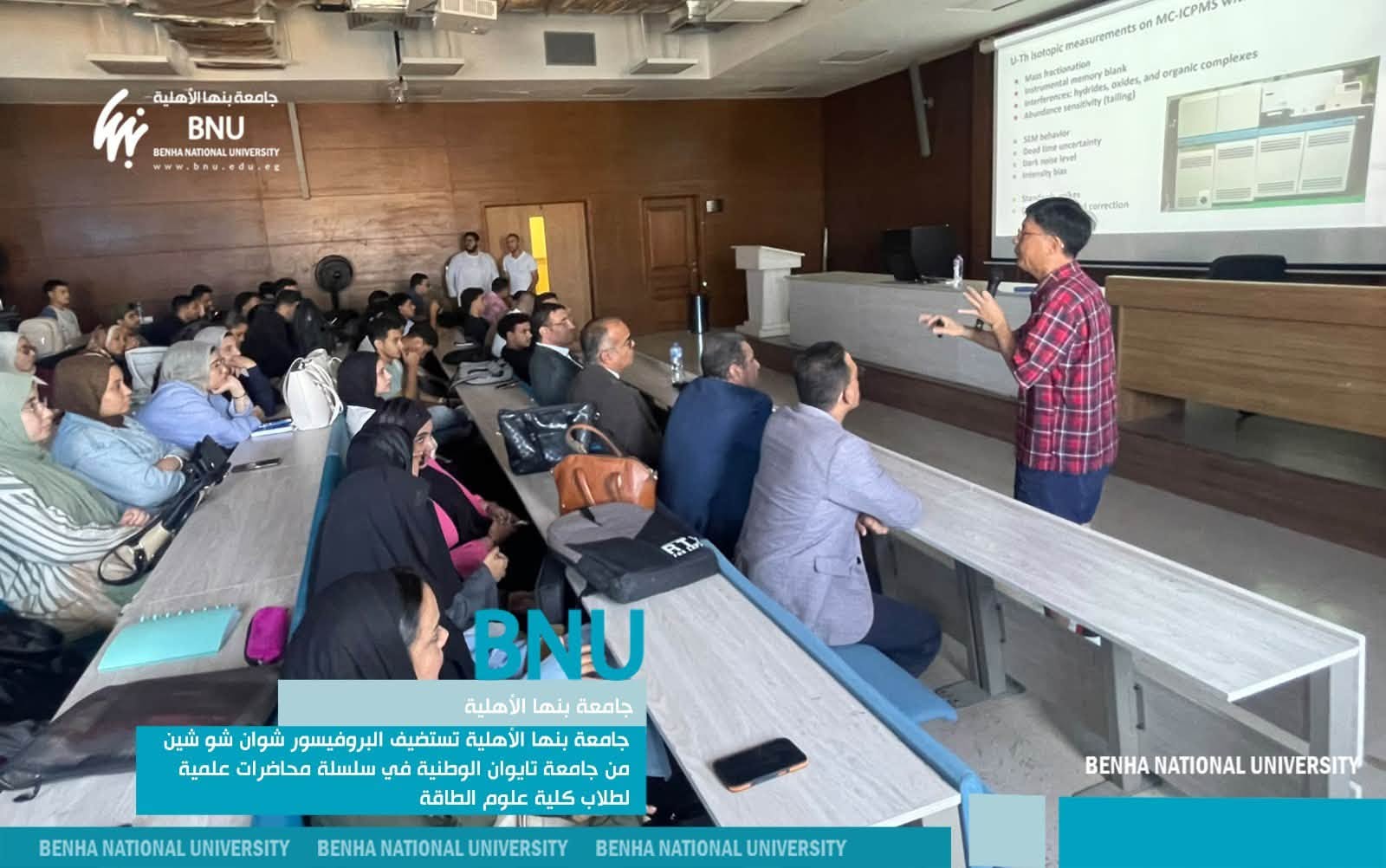
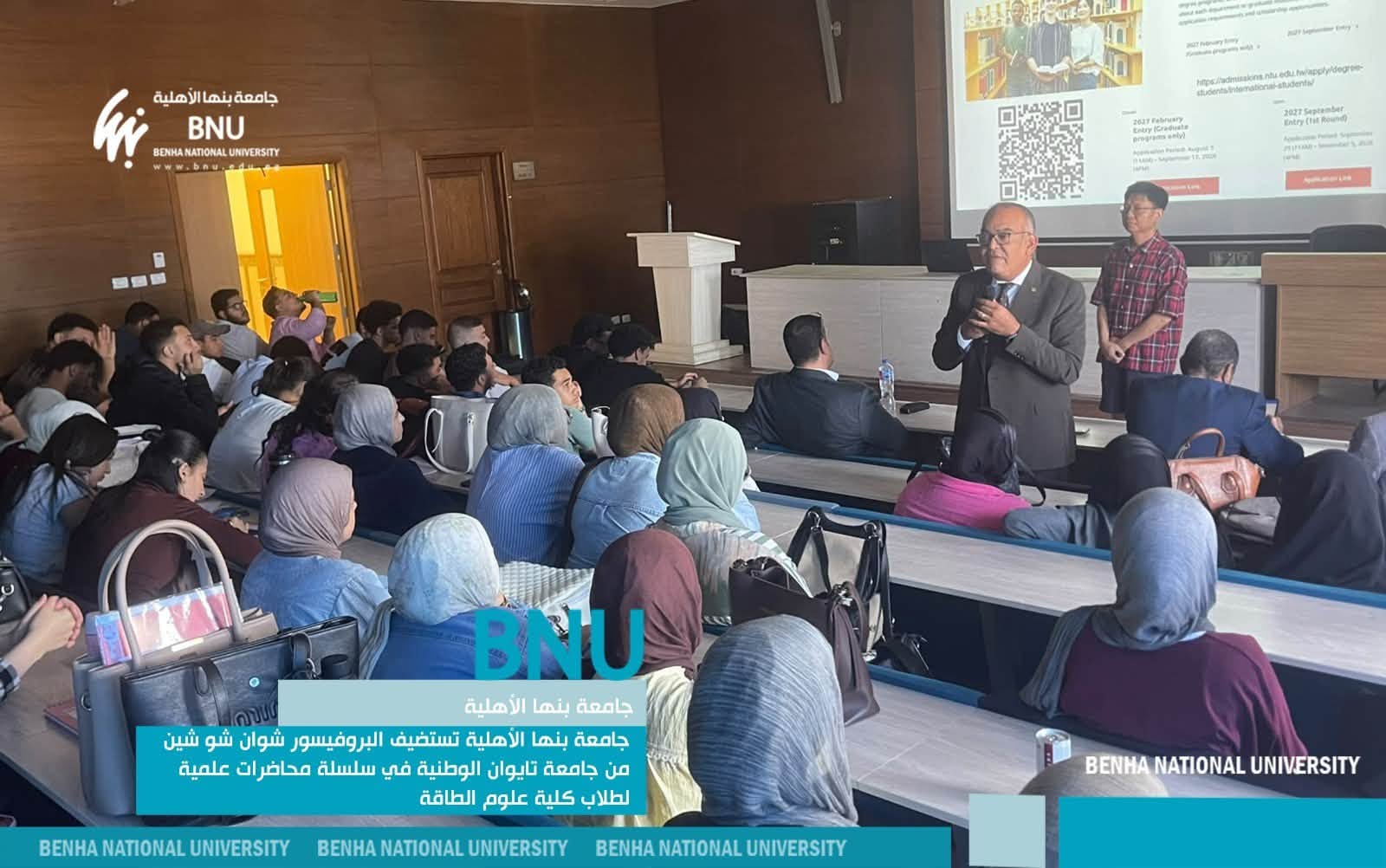
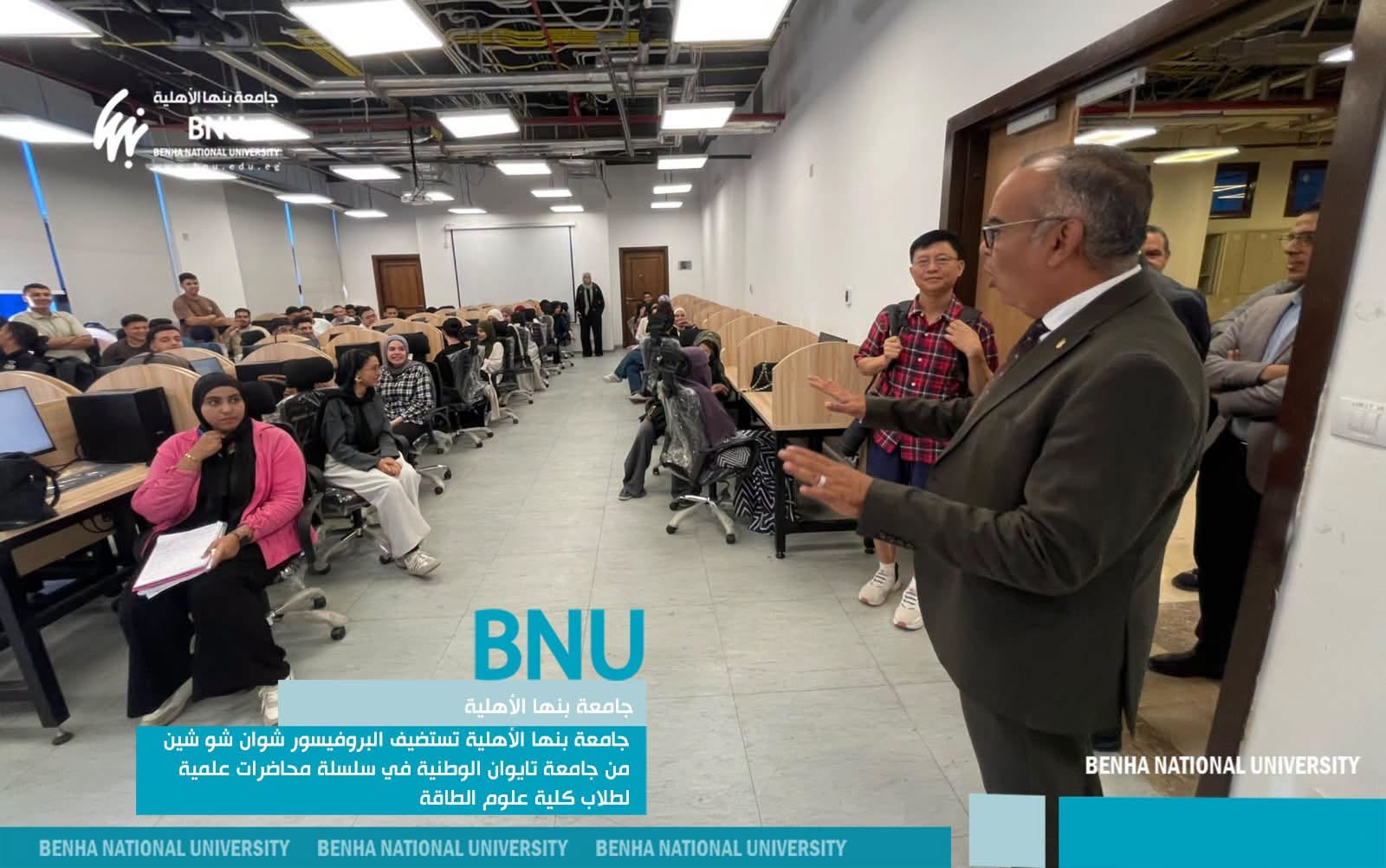
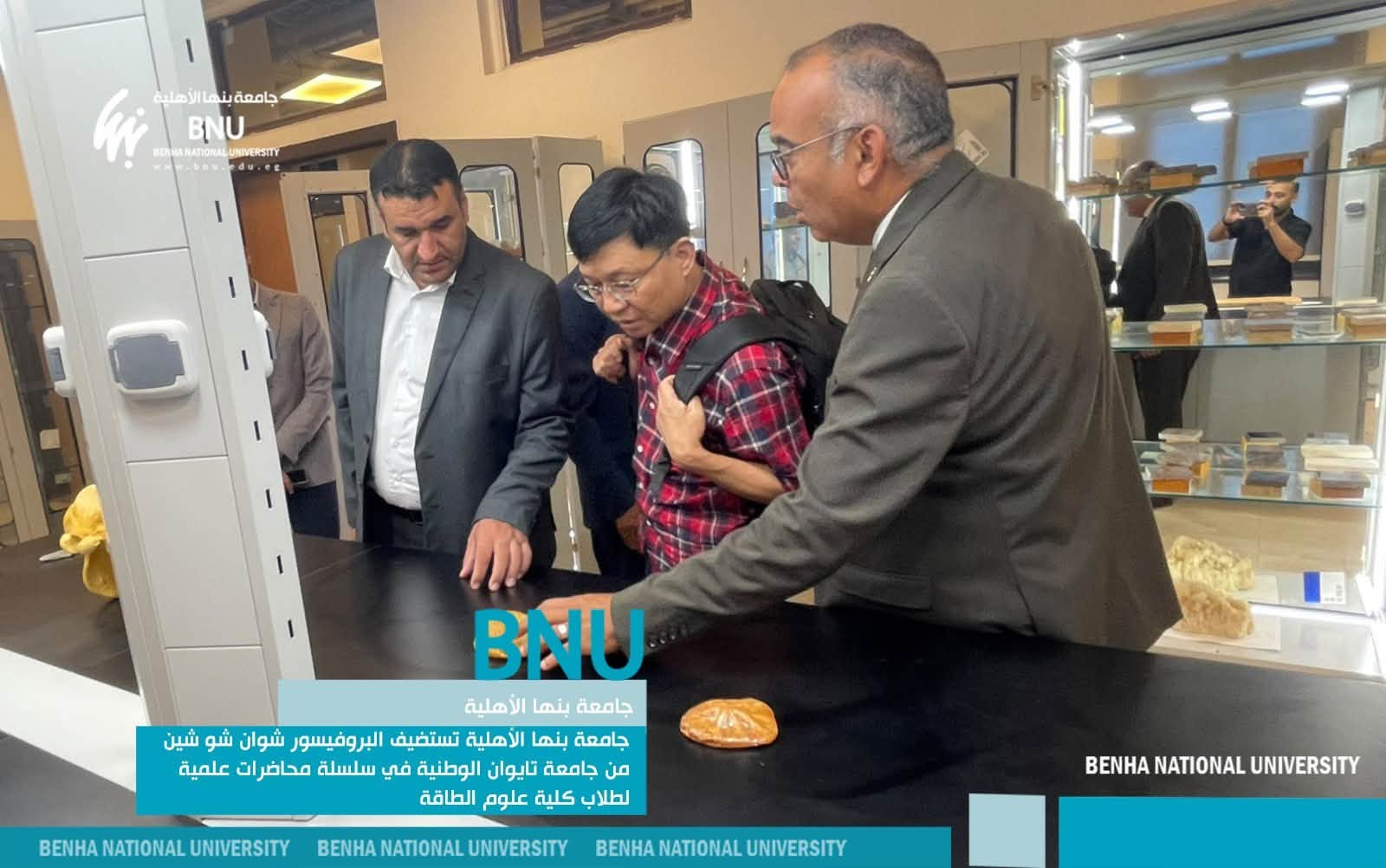
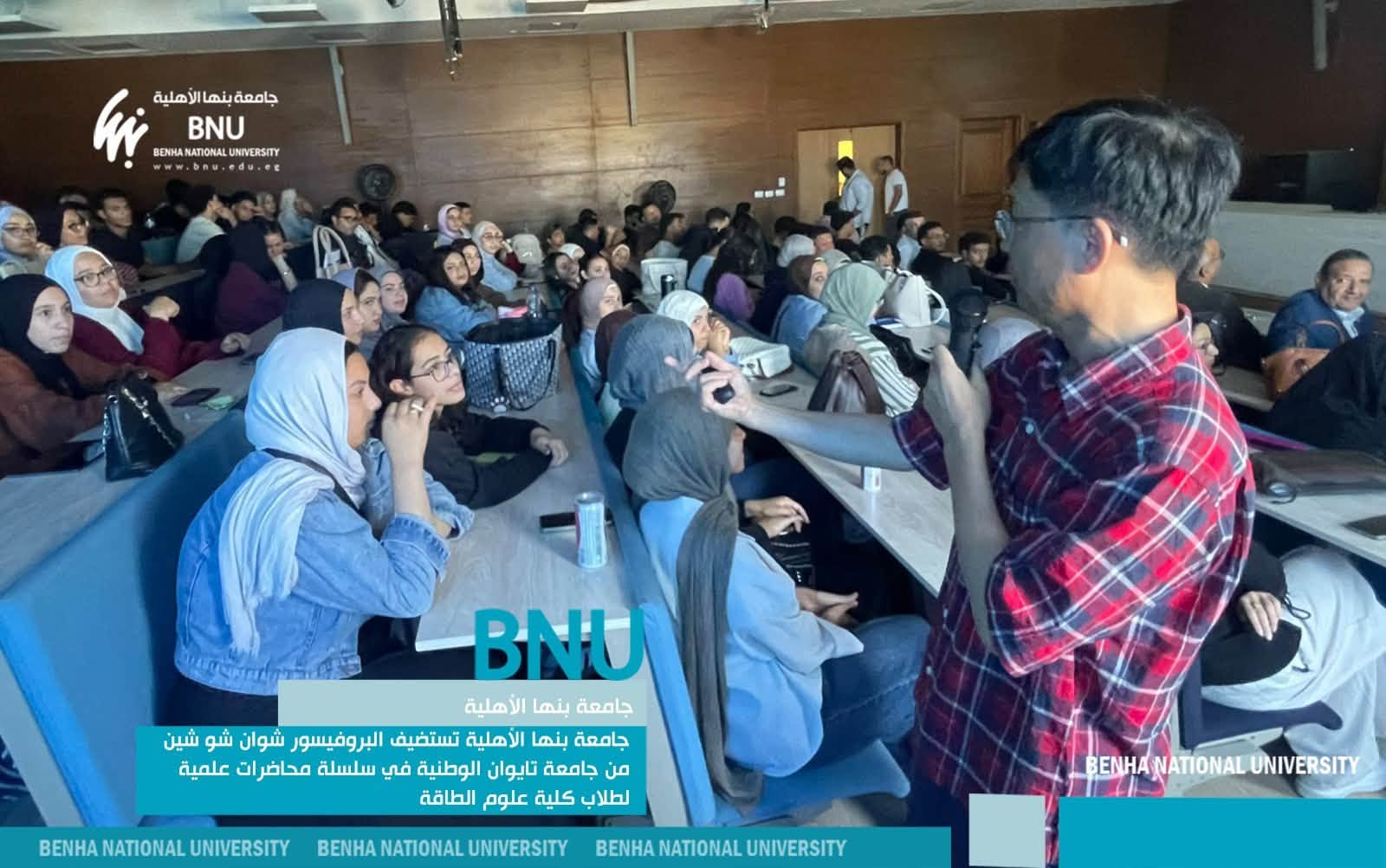
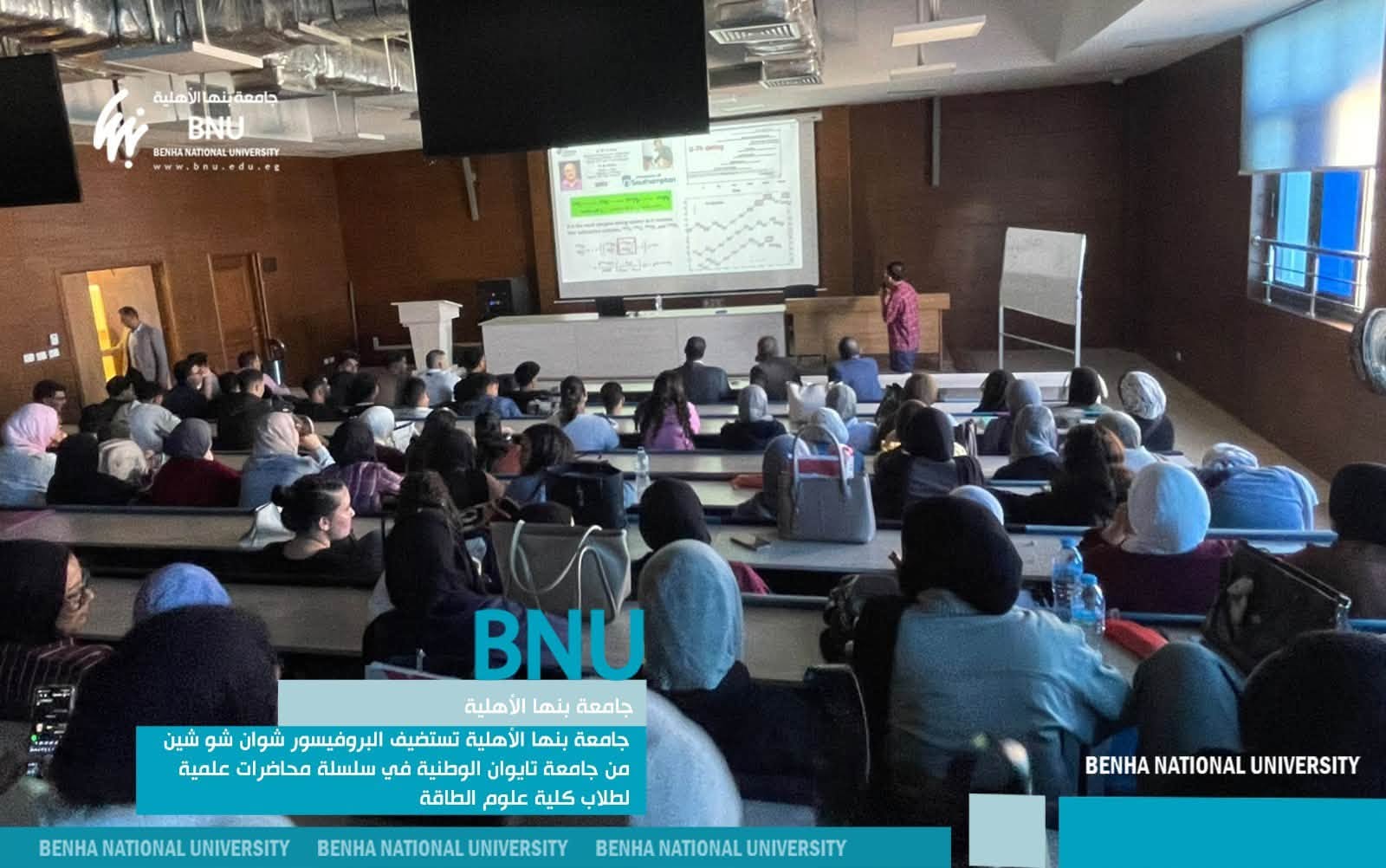
Benha National University Hosts Professor Chuan-Chou Shen from National Taiwan University for a Series of Scientific Lectures for Faculty of Energy Sciences Students
Under the patronage of Dr. Tamer Samir, President of Benha National University, the university organized a series of specialized scientific lectures for students of the Faculty of Energy Sciences. The sessions featured Professor Chuan-Chou Shen, a faculty member in the Department of Geosciences at National Taiwan University and a globally renowned scientist in the field of isotope geology. This initiative reflects the university’s commitment to fostering academic openness, facilitating the exchange of research expertise, and providing students with the opportunity to explore the latest international scientific developments and research techniques.
Dr. Tamer Samir, President of Benha National University, emphasized that hosting international scholars and experts is part of the university’s strategy to advance its educational and research systems, strengthen ties with global academic institutions, and offer students exceptional learning opportunities to engage with the latest scientific advancements. He added that the university is dedicated to organizing high-quality scientific events that bridge academic study with practical applications, help develop students' research skills, and broaden their intellectual horizons—ultimately preparing a generation of scientific professionals capable of keeping pace with rapid developments across various fields.
The program included two scientific lectures; The first lecture covered the latest developments in dating techniques using uranium and thorium isotopes and their applications in Quaternary studies. The second lecture reviewed progress made in dating cave formations—specifically stalagmites and stalactites—within the Sannur and Al-Gara caves in Egypt, illustrating how these techniques contribute to the study of climatic and environmental records and the reconstruction of natural conditions that shaped the region throughout history.
Dr. Mohamed Mustafa Afifi, Director of Programs at the College of Energy Sciences, emphasized that hosting Professor Chuan-Chou Shen provides an exceptional academic opportunity for students to engage directly with international research expertise. It allows them to explore the latest methodologies and techniques used in isotope geology, geochronology, and the study of climatic and environmental change. He noted that the lectures fostered scientific discussion regarding the practical applications of these techniques—particularly in the context of Egyptian geological sites—thereby enhancing students' specialized knowledge and bridging the gap between theoretical concepts and modern research applications.
Professor Chuan-Chou Shen serves as a Distinguished Chair Professor at National Taiwan University. He also directs the High-Precision Mass Spectrometry and Environment Change Laboratory (HISPEC), which specializes in high-precision measurements and the study of environmental changes over time. His research expertise spans the fields of geochemistry, geochronology, and the analysis of climatic and environmental records. These lectures hold particular scientific significance, as geological dating techniques contribute to understanding the evolution of climate and the environment throughout history, while also facilitating the analysis of natural records and the reconstruction of past environmental conditions. Furthermore, they support scientific studies of Egyptian caves—such as the Sannur and Al-Jara caves—thereby enhancing the understanding of their geological and natural value and opening broader horizons for scientific research in the fields of earth sciences and climate change.
The events saw active engagement from students of the Faculty of Energy Sciences, alongside participation from faculty members and academic support staff. Through discussions and the exchange of expertise regarding the latest advancements in geological dating techniques and their research applications, the sessions enriched the university’s educational and research environment. This aligns with the university’s commitment to engaging with international scientific expertise and providing an educational experience that keeps pace with global developments.